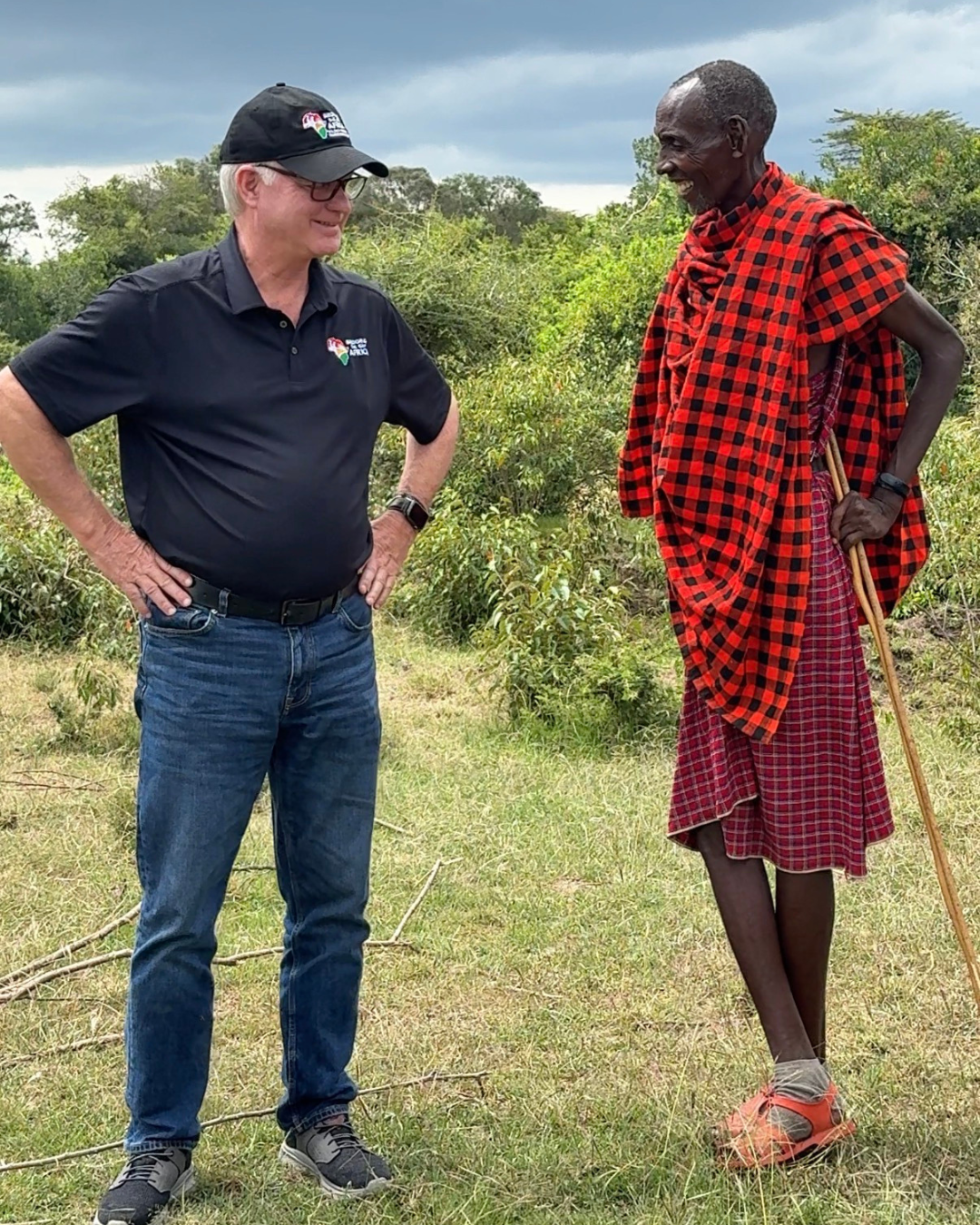
Olosekin, Mara:Why a 45-Meter Bridge Means Everything to Olosekin
A Village Hidden Beyond the Mara
Far south of the Maasai Mara, where roads slowly dissolve into dusty tracks and mobile signals fade into silence, lies the remote village of Olosekin — home to just over 500 people. At first glance, the village feels calm and untouched. Standing by the Ol Merui River, the rolling hills rise gently in the distance as the soft sound of cattle bells drifts through the wind, painting a breathtaking picture of rural beauty. Yet beneath this peaceful landscape lies a quiet and persistent struggle that the people of Olosekin face season after season.
The heart of that struggle is the Ol Merui River.
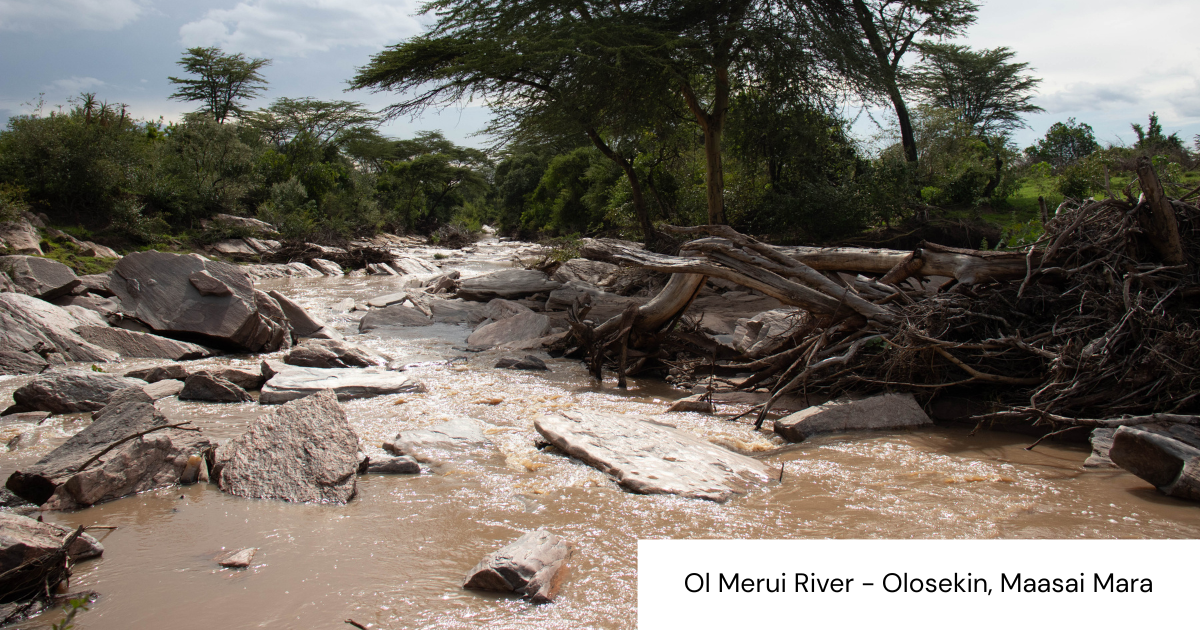
For many communities, a river symbolizes life, growth, and abundance. In Olosekin, the river is both a lifeline and a barrier. During dry seasons, villagers carefully cross through shallow waters to reach schools, markets, clinics, and neighboring homes. But when the rains arrive, the Ol Merui transforms into a dangerous dividing line. Water levels rise quickly, currents strengthen, and movement comes to a halt.
Children miss school. Mothers cannot get to markets. Families become isolated from one another.
On the 9th of March, we set out for Olosekin after receiving a bridge request from the community. Their plea was simple but urgent: they needed a safe way across the river.
The road to Olosekin was long and rough, winding through open landscapes where the horizon seemed endless. Yet nothing prepared us for the stories waiting at the riverbank.
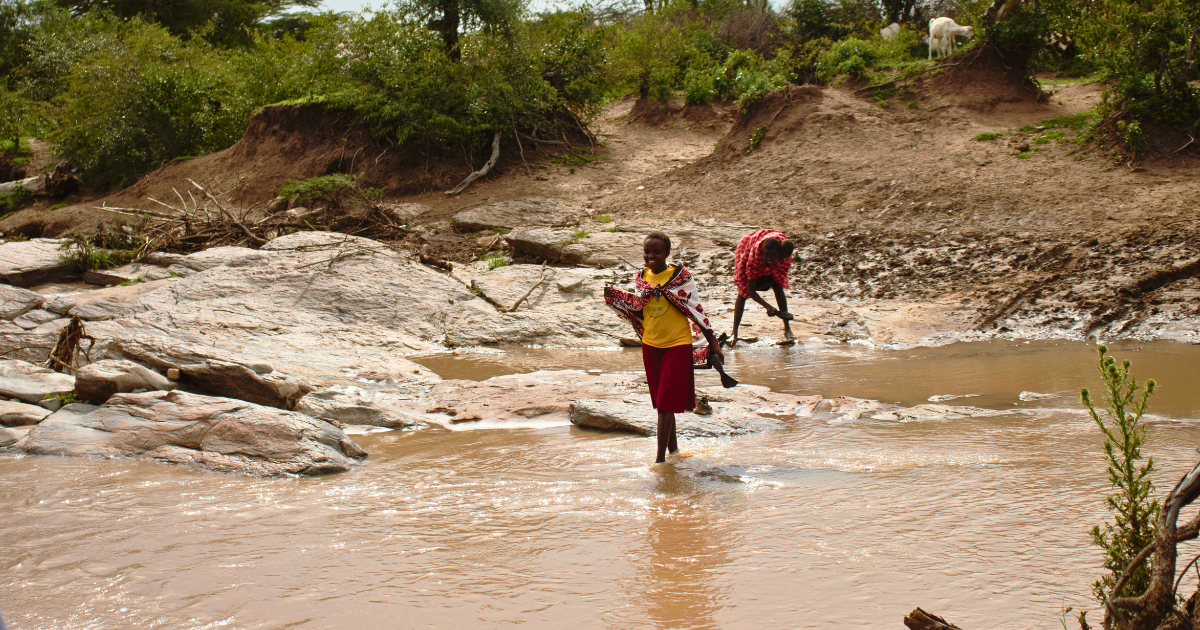
Ol Merui River - Olosekin, Maasai Mara
A School Day Measured in Current and Tide
The afternoon sun hung low as we approached the crossing site around 3:00 PM. The river had begun to calm slightly after earlier flooding, though the muddy water still rushed steadily between the two banks. The community had told us that this was actually a “better” moment — earlier in the day, crossing would have been almost impossible.
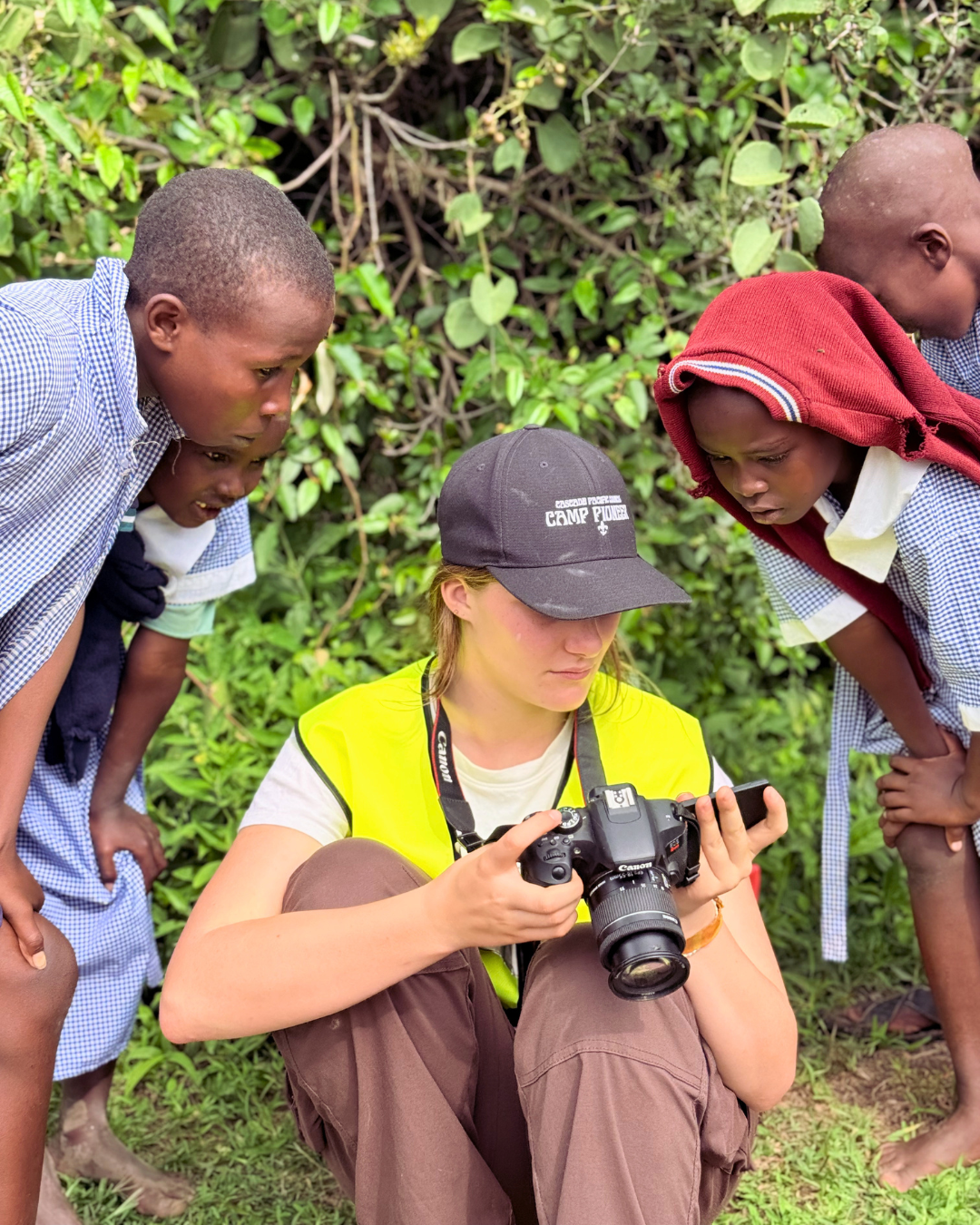
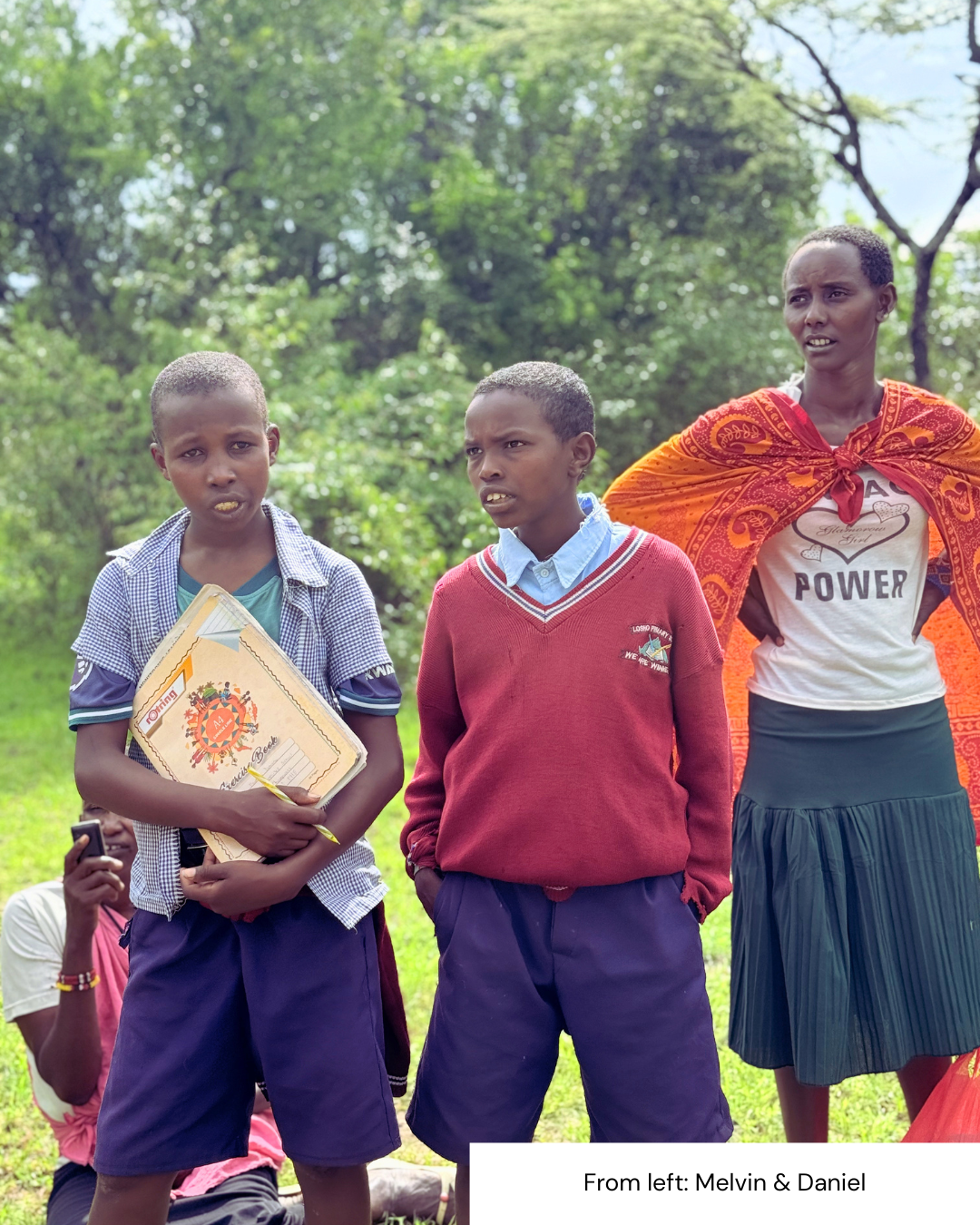
Melvin and Daniel were walking home from Losho Primary School. They stood at the edge, preparing to wade through the murky brown water.
There was no bridge. No boat. No safety rope.
Only water.
Melvin explained that earlier that morning, when the water was much higher, he had still forced himself to cross so he could make it to school. To protect his uniform and books, he removed his clothes and shoes, tied his schoolbag above his head, and carefully waded through the cold current.
Some of his younger schoolmates and neighbors had remained stranded on the other side of the river, forced to miss classes simply because the water was too dangerous. For children in Olosekin, education is not only about determination or academic ability. Sometimes, it depends entirely on the river’s mood.
Standing there beside Melvin and Daniel, the reality of the bridge request suddenly became deeply personal.
Melvin spoke calmly, almost casually, about crossing the flooded river. To him, this was normal life. There was no drama in his voice, no complaint, no expectation that things should be easier. That quiet acceptance made the story even more powerful.
Imagine being a child whose school day begins not with breakfast or a school bus, but with calculating whether the river will let you pass.
Imagine carrying your future above your head in a soaked schoolbag while navigating moving water strong enough to sweep away an adult.
That is the reality for many children in Olosekin.
These are children who understand responsibility long before adulthood arrives. Yet behind their courage lies a painful truth: no child should have to risk their life simply to access education.
A river crossing may sound small on paper. But here, it shapes the rhythm of daily life.
For Melvin, crossing successfully that morning felt like good fortune. That single statement reveals just how dangerous the situation has become. Access to education should never depend on luck.
Voices from the Bank: Education and Economy on Hold
As the afternoon continued, the riverbank slowly transformed into something larger than a survey site. It became a meeting point for hope.
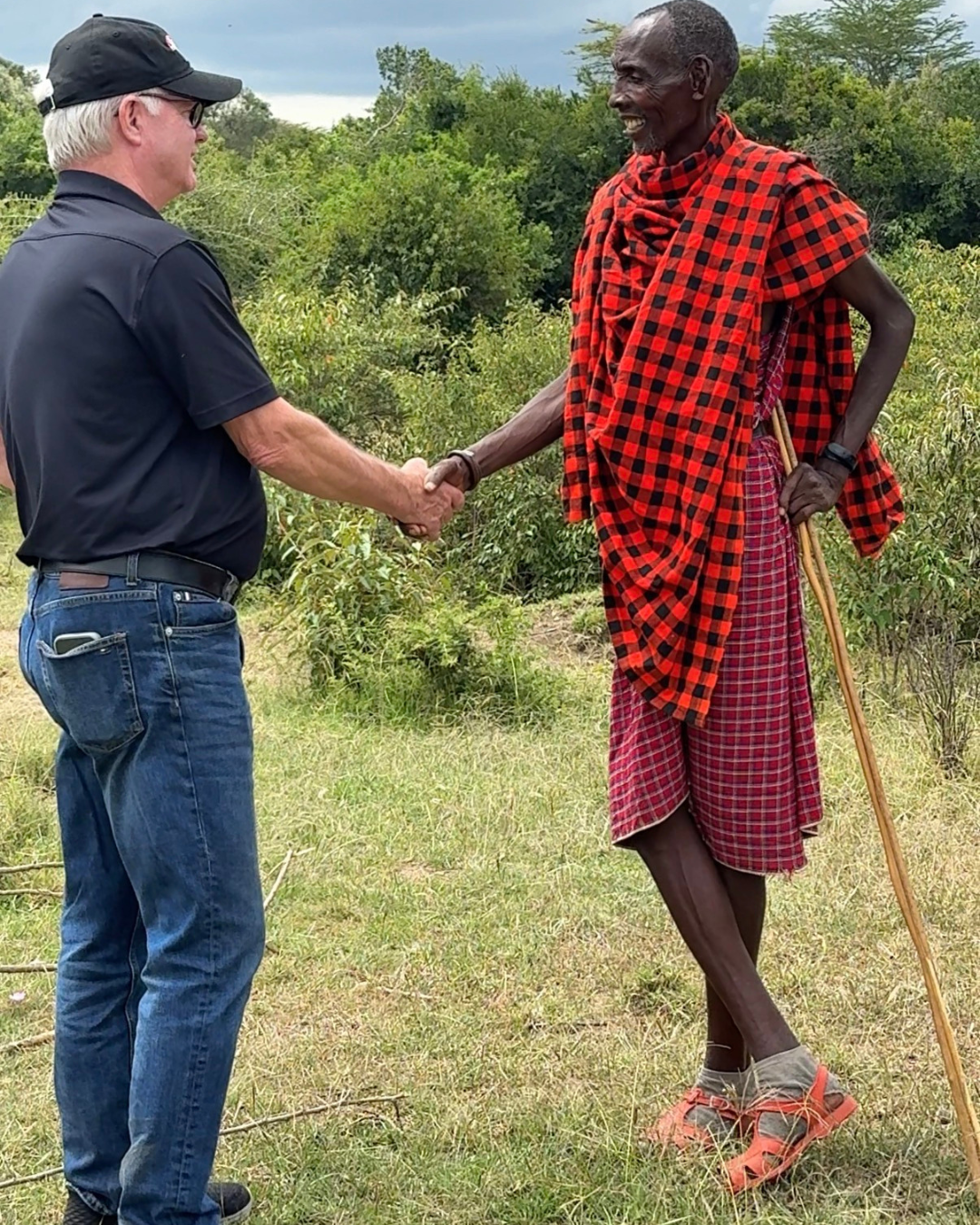
Children watched curiously from a distance. Elders stood quietly observing measurements and discussions. Women exchanged stories about missed opportunities, flooded pathways, and dangerous crossings. Every face carried the same unspoken question:
Could this finally be the beginning of change?
Infrastructure projects are often discussed using numbers — meters, budgets, timelines, engineering plans. But standing in Olosekin, it became clear that a bridge is never just a structure.
A bridge means children arriving at school safely.
It means mothers reaching markets consistently.
It means sick patients accessing clinics even during rainy seasons.
It means dignity.
The proposed 45-meter bridge would connect more than two riverbanks. It would reconnect opportunity, education, healthcare, and livelihoods for an entire community that has remained physically and economically isolated for far too long.
And perhaps most importantly, it would remove fear from everyday life.
The Women of Olosekin
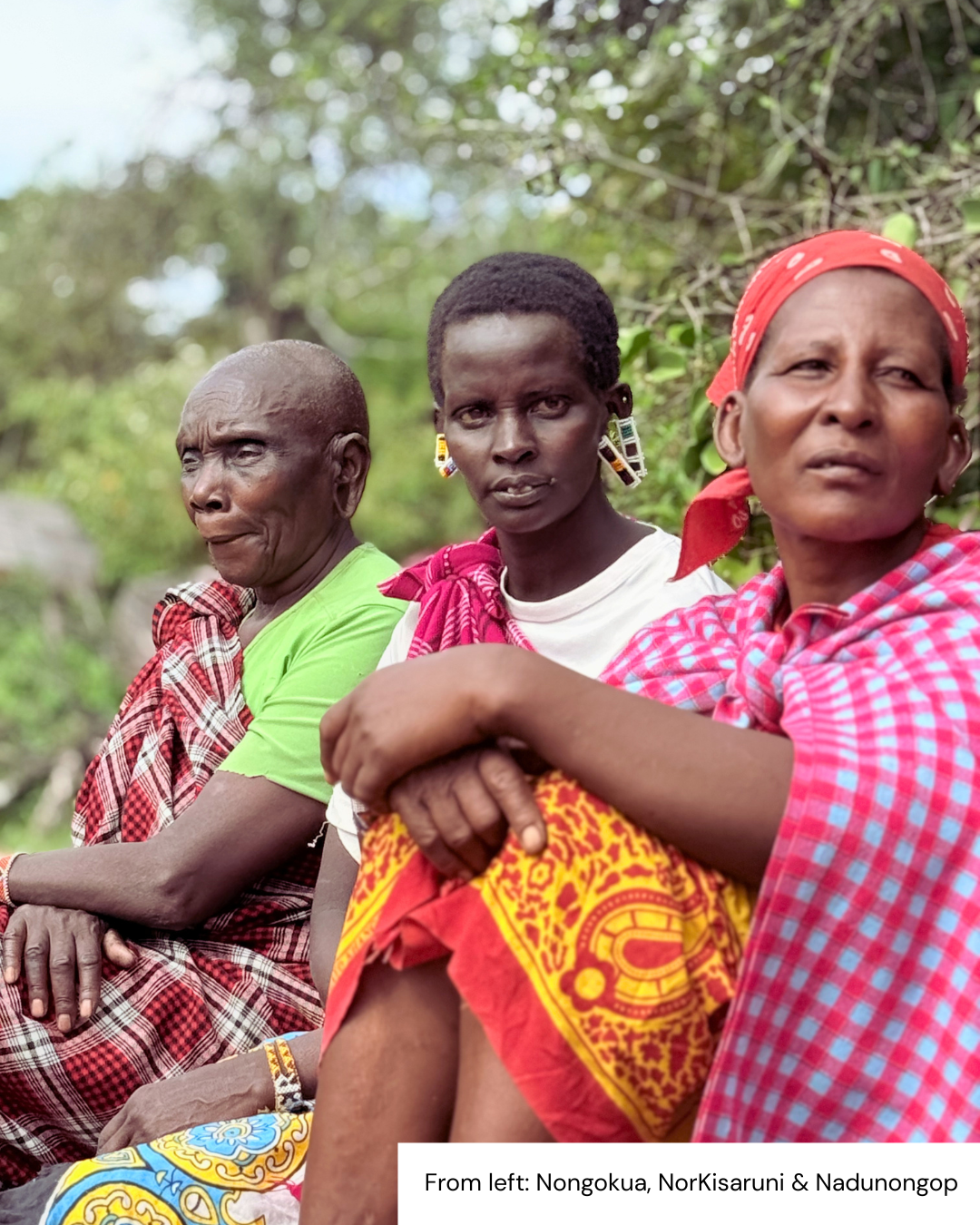
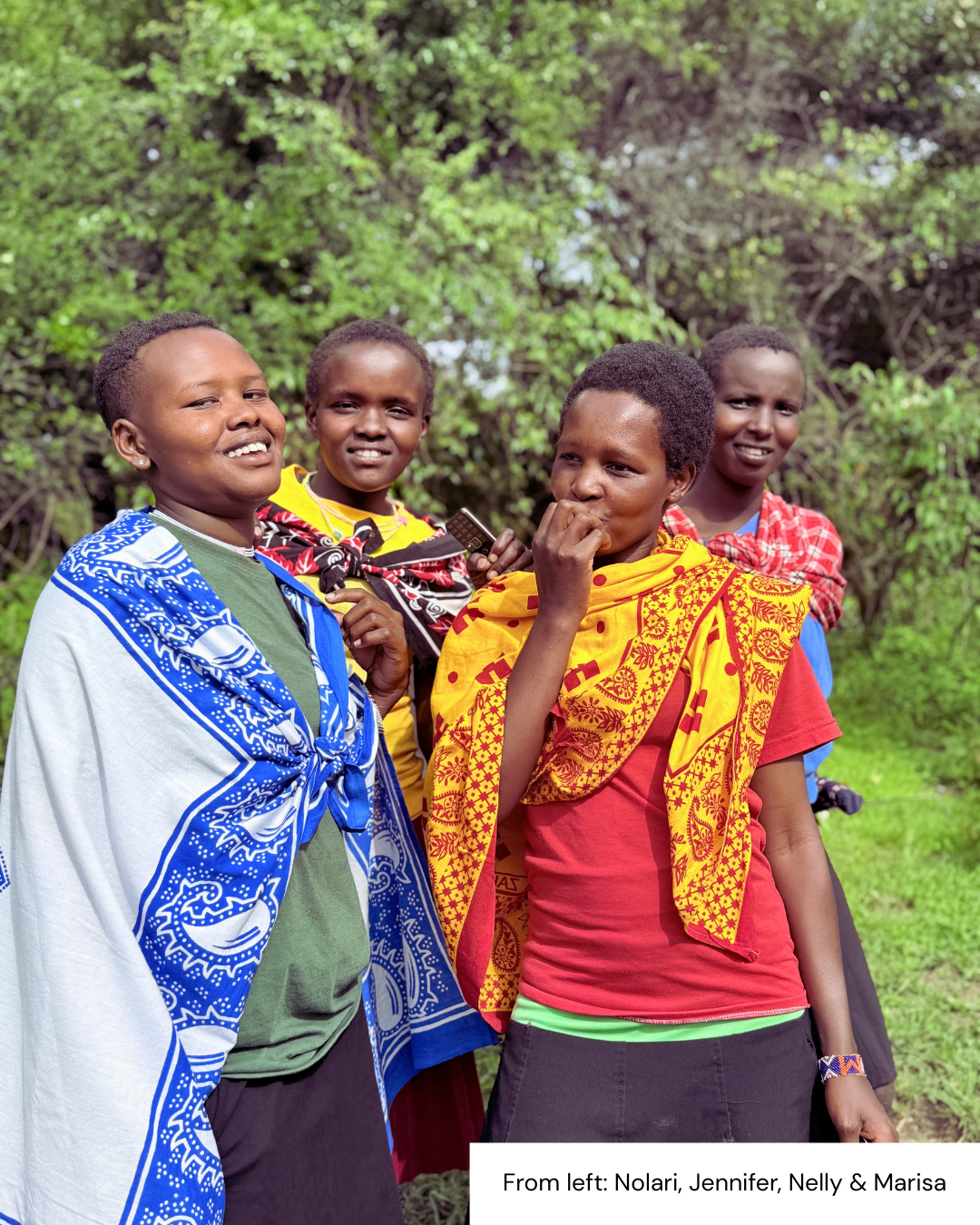
A few minutes later, as we continued surveying the proposed bridge site, more villagers began gathering nearby. Word had spread quickly that visitors had come to assess the crossing.
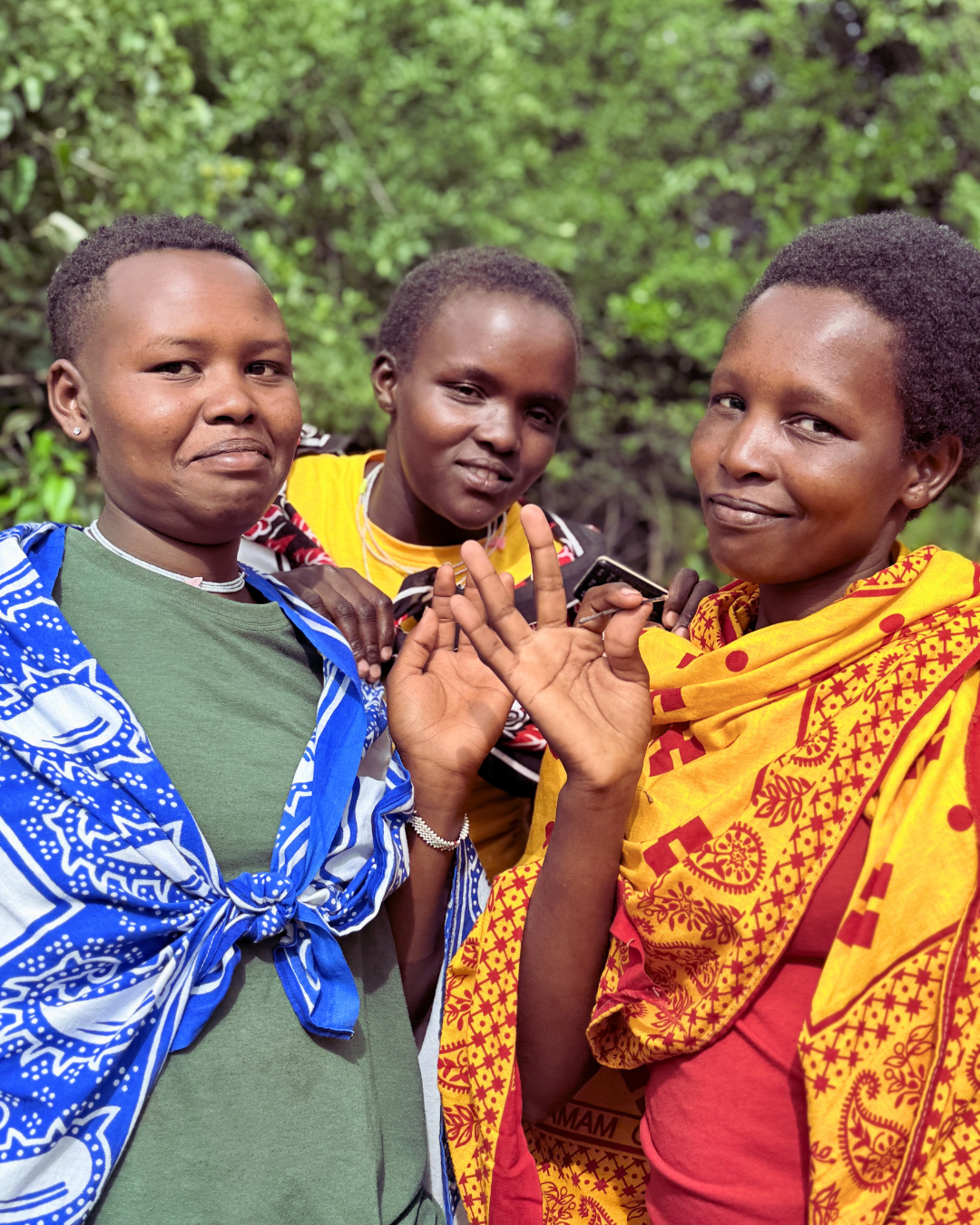
Among those who arrived was NorKiseiya, a middle-aged woman accompanied by her daughter and her sister, NorKisaruni. Their faces carried the familiar exhaustion of people who have spent years adapting to hardship without losing dignity.
They shared how the flooding river affects families season after season.
That particular day, NorKiseiya’s daughter had not managed to get to school. The river had simply become too dangerous. For mothers in Olosekin, every rainy season brings impossible decisions. Do they allow children to attempt the crossing and risk injury? Or keep them home and sacrifice education?
Neither option feels fair.
As more community members joined the gathering, story after story painted the same picture. The river interrupts nearly every aspect of life.
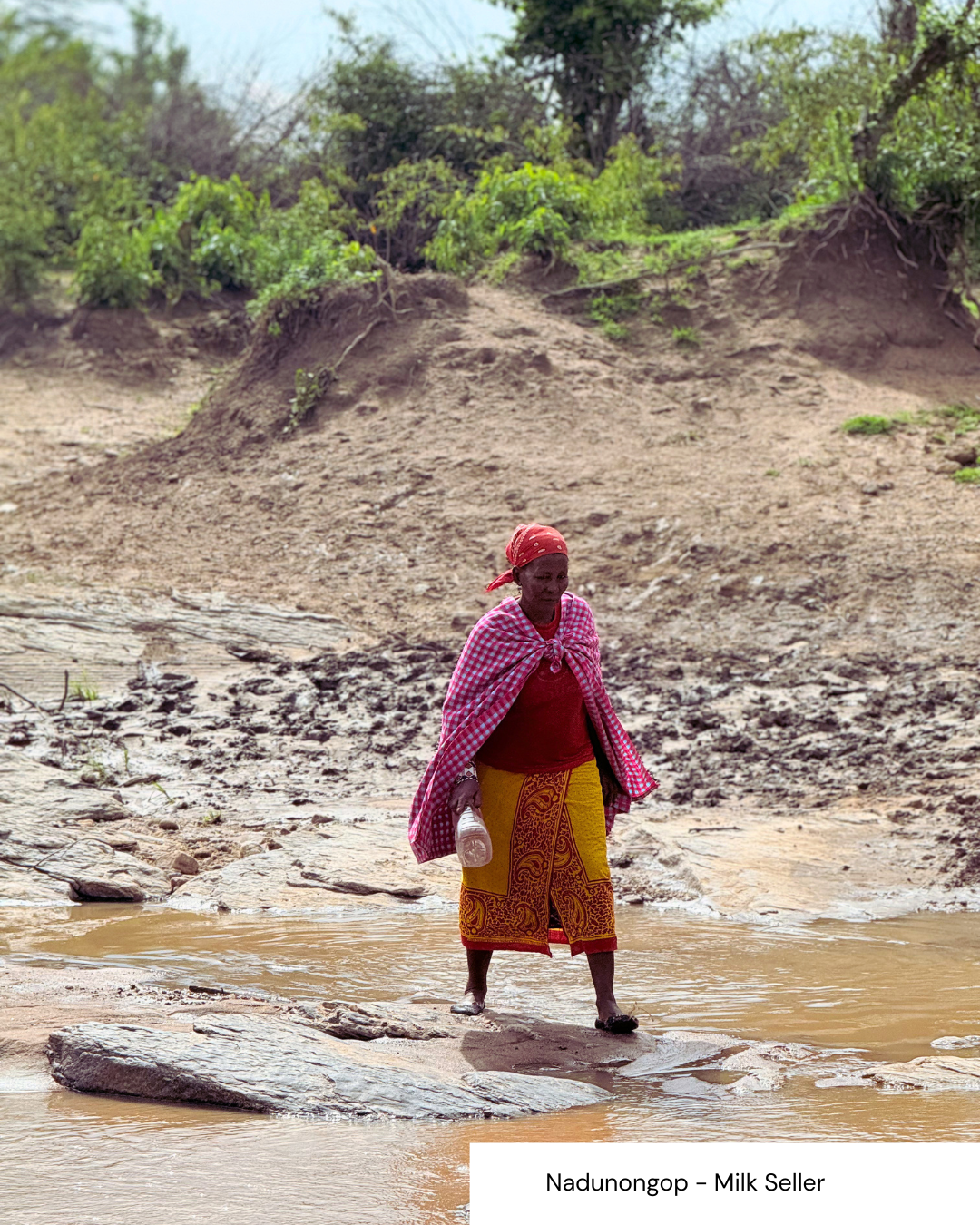
One woman, Nadunongop, explained that she sells milk for a living. Like many rural entrepreneurs, her business depends on movement — reaching buyers before products spoil. But whenever the river floods, she loses income because she cannot cross.
Milk cannot wait for the water to subside.
Markets do not pause.
Bills continue.
Yet despite these struggles, Nadunongop still waded through the river that afternoon to join the gathering. Others, including Nongokua, stood nearby sharing similar experiences. There was frustration in their stories, yes, but also resilience. The people of Olosekin have learned to endure what should never have become normal.
Why Olosekin Cannot Wait
The cost of isolation is rarely visible immediately. It accumulates slowly, season after season, affecting education, livelihoods, and access to essential services. In Olosekin, each missed crossing, disrupted school day, and delayed journey adds to a reality the community can no longer afford to accept.
Every rainy season deepens the same struggle. The river does not just divide land — it divides opportunity, routine, and connection.
A Bridge Made Possible Through Generosity
Amid this reality, hope has taken shape in a powerful way. A couple - friends of BtGA, whose generosity is bringing this bridge to life, have sponsored the project, turning a long-held dream into something tangible. Their support will transform a long-standing challenge into real change for the community.
It will be an honor to host them during the construction phase this August, and there is a deep sense of gratitude and anticipation across Olosekin. For many here, this is the first time the idea of permanent change feels truly within reach.
As the Ol Merui River continues its quiet flow through Olosekin, it will no longer feel like just a barrier waiting to be crossed. It will be where connection finally takes its place over separation.